
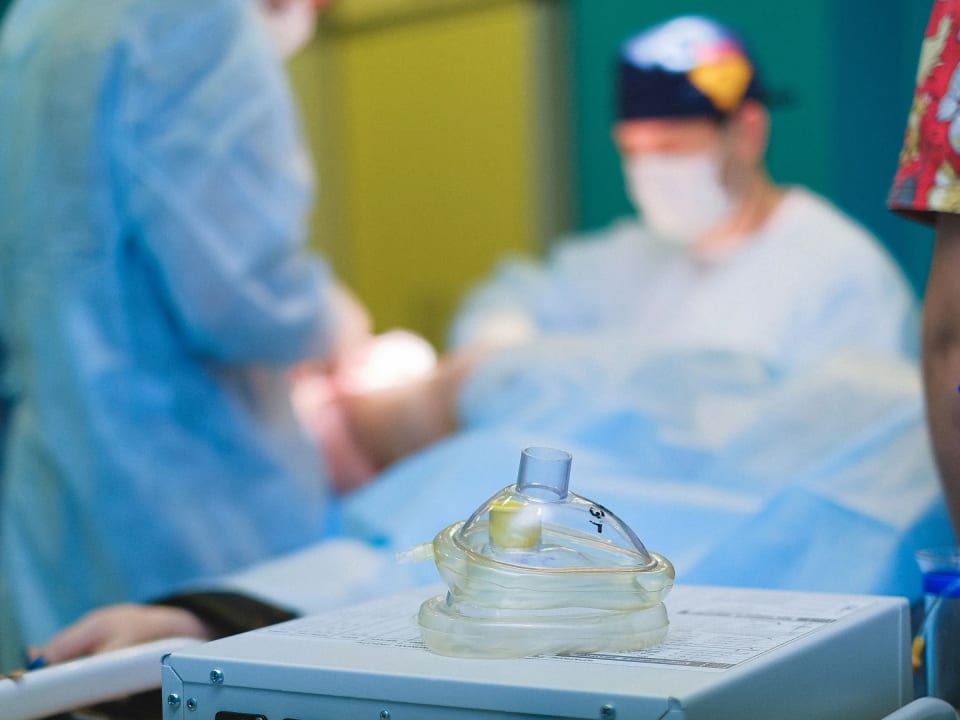
Sometimes a child cannot sit calmly in the chair, or several teeth need treatment at once. In that case the dentist may suggest dental treatment for children under general anesthesia. In everyday speech this is called sleep dentistry: the child sleeps while the dentist carries out the planned procedures.
The method of pain relief is chosen after an examination by a pediatric dentist, and general anesthesia also requires an anesthesiologist consultation. Below are answers to the questions parents ask most often.
When Is Dental Treatment Under General Anesthesia Considered for Children?
The dentist first looks for ways to manage without general anesthesia: calm explanations, play, getting the child used to the surgery step by step, and local anesthesia. If these are not enough, general anesthesia for a child's dental treatment becomes one of the options. It may be considered when:
- behavior guidance has not helped and the child needs significant dental care
- several teeth need treatment
- the child finds it hard to cooperate with the dentist because of developmental or health conditions
- local anesthesia is not effective enough or its use is limited
Not every child needs a medical sleep. If treatment is possible while the child is awake, the dentist will consider gentler approaches.
General Anesthesia or Nitrous Oxide Sedation?
These are different methods and should not be confused.
General anesthesia
The child is unconscious. An anesthesiologist monitors breathing and other vital functions. General anesthesia requires an anesthesiologist consultation.
Nitrous oxide sedation
It only reduces anxiety: depending on its depth, the child may stay in contact with the dentist. It is a separate method, not general anesthesia.
The dentist decides which method suits the child, taking into account age, level of fear and the amount of treatment. Sometimes local anesthesia is enough. More about sedation: dental treatment under anesthesia and sedation.
Where Treatment Starts
Treatment under general anesthesia starts not with the anesthesia itself but with an examination and preparation.
1. Dentist's examination
The dentist assesses the teeth, orders diagnostics if needed, determines the amount of treatment and explains whether there are alternatives to general anesthesia. About the department: pediatric dentistry.
2. Anesthesiologist consultation
The parents attend. The doctor asks about the child's health, chronic conditions, allergies, medications and previous experience of anesthesia, and explains how to prepare. Whether additional tests are needed is decided by the anesthesiologist individually.
3. Treatment plan
The dentist and the anesthesiologist decide together which procedures can be combined. The dentist then names the cost.
The anesthesiologist assesses whether general anesthesia can be given and monitors the child's vital functions during treatment and recovery. General anesthesia carries potential risks, so it is used only when clinically indicated.
How to Prepare Your Child for General Anesthesia
- Follow the individual instructions on food, drink and medication that the doctor gives at the consultation.
- Tell us about allergies, chronic conditions and all medications the child takes.
- If a fever, cough, runny nose or other signs of illness appear before treatment, let us know.
- Have any tests that are required done.
- Come with your child: a parent or legal representative must be with them.
Do not change the medication schedule on your own and do not shorten the period without food and drink.
What Is Treated Under General Anesthesia and How It Goes
According to the treatment plan, the dentist can treat the child's teeth and carry out the following:
Teeth are also restored with fillings, and teeth that cannot be saved are removed. Baby teeth can be treated under general anesthesia too, when clinically indicated: they matter for chewing, speech and the development of the jaws and teeth. The sequence is as follows:
- The child falls asleep under the anesthesiologist's supervision.
- The dentist carries out the planned procedures.
- Meanwhile the anesthesiologist monitors breathing, heart activity and other parameters.
- When treatment is finished, the child wakes up gradually.
Sometimes a significant part of the needed treatment can be done in one visit, but this depends on the amount of work, the permissible length of anesthesia and the child's condition.
Waking Up and Recovery
After waking, the child comes round gradually under the supervision of medical staff. Drowsiness, dizziness, nausea or temporary discomfort are possible; they usually pass, but the speed of recovery is individual. Before discharge the doctor assesses the child's condition and gives aftercare advice. After general anesthesia:
- the child stays under supervision until the doctor allows discharge;
- a responsible adult must accompany the child home;
- follow the advice on food and drink and avoid strenuous activity for the period set by the doctor;
- follow the dentist's instructions on caring for the teeth.
If the child has difficulty breathing or cannot be woken, urgent medical help is needed.
What It Looks Like in Practice
Restoration of front baby teeth
Four upper baby incisors badly damaged by caries were restored for a child under general anesthesia. Beforehand the dentist assessed the damage by examination and X-ray, and an anesthesiologist held a consultation.
View the caseComprehensive treatment of baby teeth
Several baby teeth, upper and lower, were treated at once under general anesthesia. An anesthesiologist monitored the child during the procedure and recovery.
View the caseHow Much Does Dental Treatment Under General Anesthesia Cost for a Child?
The cost depends on the length of anesthesia, the amount of dental treatment and the individual plan. The anesthesiologist consultation has its own price in the price list, and dental procedures are calculated separately. Current prices are in the “Prices” block below and in the price list; the dentist names the exact amount after the treatment plan is prepared.
See Also
Book an Examination with a Pediatric Dentist
Book an examination with us: the dentist will assess the teeth, explain the available treatment options and, if needed, refer your child to an anesthesiologist consultation.
Address: 22 Vokzalna Street, Bila Tserkva, Ukraine.
Phone: +38 (068) 168-99-11, +38 (093) 459-99-11.