
At a Glance
A bad bite in a child is not always visible to the eye, and whether treatment is needed is decided by an orthodontist — a dentist who works with the position of the teeth and the bite. Parents may notice crowded teeth, gaps, front teeth that do not meet, or a jaw that shifts. The guideline for a first consultation is age 7. If signs appear earlier, there is no need to wait until then. A consultation does not mean treatment will start at once: often the orthodontist may recommend monitoring first.
Jump to a Section
What a Bad Bite in a Child Is and How the Bite Changes With Age
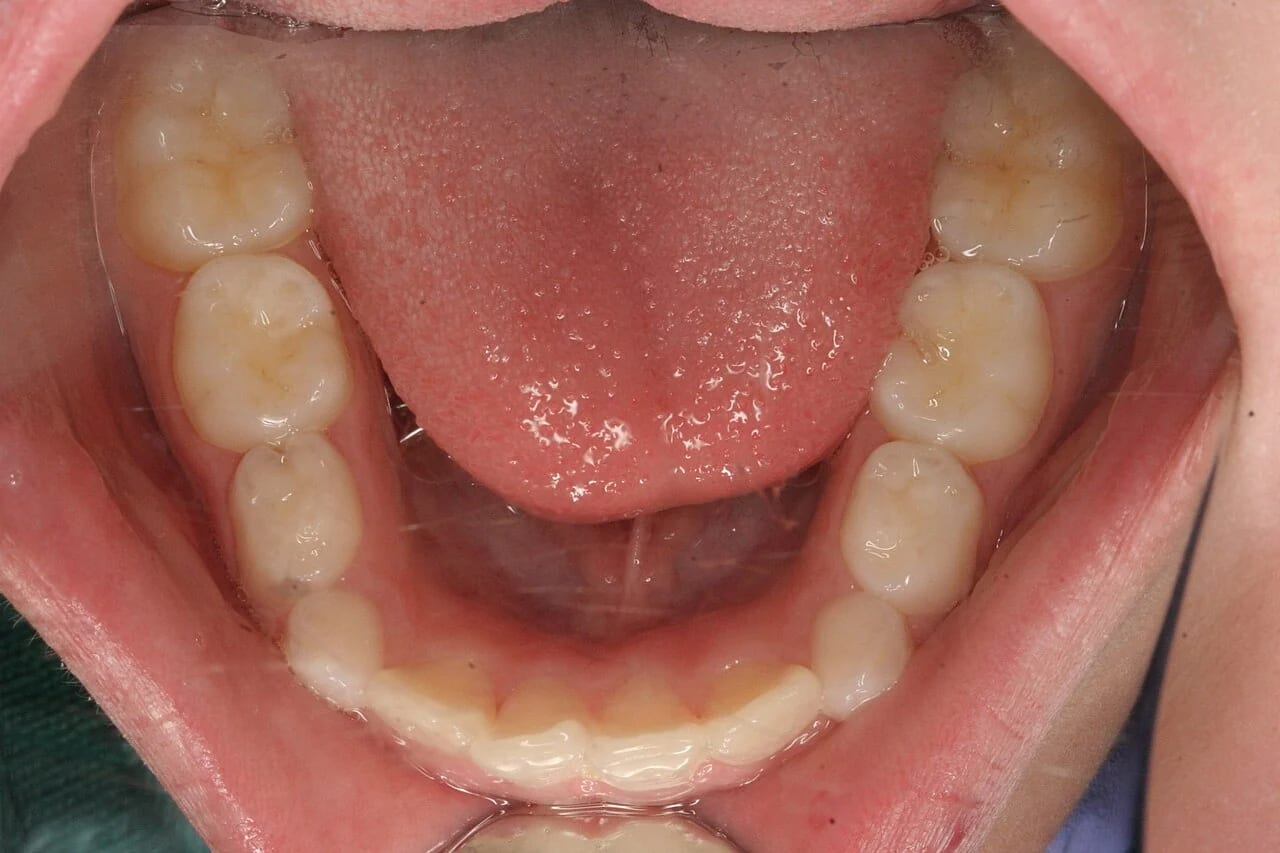
The bite is the way the upper and lower teeth meet. It changes as a child grows, so the same tooth position at 3 and at 9 years can mean different things. That is why an orthodontist assesses the bite in light of the stage of development.
Stages of the bite and what an orthodontist looks at
| Stage | What is in the mouth | What the orthodontist looks at |
|---|---|---|
| Primary dentition, about 2–6 years | All the baby teeth have come in. | Whether the front teeth meet, whether there is a crossbite (the upper teeth meet the lower ones “from the inside”), what habits the child has and how they breathe. |
| Mixed dentition, about 6–11 years | Baby and permanent teeth are present at the same time. | Whether there is enough room for the permanent teeth, whether they come in in the right places, whether there are extra or missing teeth, how the jaws are growing. |
| Permanent dentition, from about 12 years | Almost all the permanent teeth have come in, except the wisdom teeth. | What kind of bite the child has and whether treatment is needed; if so, the orthodontist draws up a full plan. |
The age ranges are approximate: every child’s teeth change at their own pace.
Signs That May Point to a Bad Bite in a Child
These are reasons to take your child to an orthodontist, not a diagnosis: the type of bite cannot be determined by looking at the teeth.
What parents may notice and what the orthodontist checks
| What you notice | What the orthodontist checks |
|---|---|
| The front teeth do not meet: there is a gap between the upper and lower front teeth. | Whether it is an open bite and whether it is linked to thumb or pacifier sucking or to breathing through the mouth. |
| The lower teeth are in front of the upper ones, or the upper teeth meet the lower ones “from the inside”. | Which bite it is — an underbite or a crossbite — and whether the child shifts the jaw to bring the teeth together. |
| The jaw shifts to one side when the teeth close. | Whether there is a functional shift of the jaw: it is better assessed in good time so that growth stays symmetrical. |
| The teeth are crowded, turned or overlapping, with large gaps between them. | Whether there is enough room in the jaw and whether there are extra or missing teeth: this shows on an X-ray. |
| The upper front teeth stick out a lot. | Why: because of tooth position, jaw development or habits. |
There are also less obvious signs:
- Your child has trouble biting off or chewing food.
- Your child often bites the cheek or tongue.
- The teeth wear down on one side only.
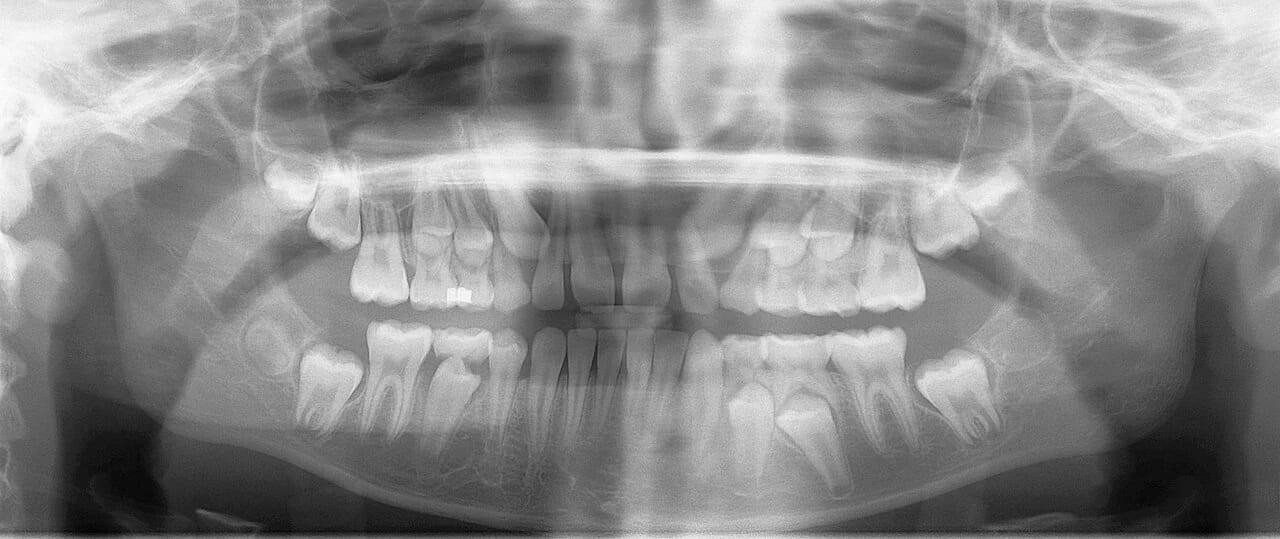
Some problems cannot be seen with the naked eye. If needed, an X-ray helps to check whether teeth that have not yet come in are present and where they are positioned.
What Affects a Child’s Bite
- Habits. Long-term thumb or pacifier sucking is linked with an open bite and with a crossbite of the side teeth, so according to international guidelines it is worth helping a child give it up by the age of three.
- Mouth breathing. It can contribute to changes in the bite but is not the only cause, so if needed a specialist in another field is involved in the assessment.
- Early loss of baby teeth. If a baby tooth is removed or lost too early, there may be less room for the permanent tooth, so it is important to treat baby teeth in good time.
- The structure of the jaws and teeth. The size of the jaws, the number and size of the teeth and heredity determine how much room there is for the teeth.
When to Take Your Child to an Orthodontist
The Guideline: Age 7
We recommend taking your child to an orthodontist at about age 7, even if a bad bite is not visible to the eye. According to the American Association of Orthodontists, by then there are enough permanent teeth for the orthodontist to spot a problem before it becomes more complicated. This is a guideline for a first consultation, not a requirement.
When Not to Wait Until 7
Take your child to a dentist sooner if you notice any of the following:
- Your child is older than three and still sucks a thumb or pacifier.
- The jaw shifts to one side when the teeth close.
- The front teeth do not meet, or the lower ones are in front of the upper ones.
- Your child bites the cheek or tongue or has trouble biting off food.
- The permanent teeth come in crowded, crooked or in the wrong place.
If your child has not yet seen a dentist, start with a check-up at a pediatric dentist. You can read about children’s appointments with us on the Pediatric Dentistry page. If you have questions about the position of your child’s teeth or how the jaws close, you can book a consultation with an orthodontist.
Is Treatment Always Needed
No. A bad bite in a child does not mean treatment will start at once. Some changes resolve with growth: for example, crowding of the lower front teeth during the change of teeth often decreases, although not in every child. Other problems do not go away on their own, including a crossbite with a shifted jaw, so it is better to find them early. The start of treatment also varies: some problems are corrected during mixed dentition, and others are planned for after all the permanent teeth except the wisdom teeth have come in.
What Is Checked at an Orthodontist Consultation
A consultation is a conversation and an examination, not the start of treatment. The orthodontist gathers information to understand whether there is a problem, what is causing it and when to act.
- Conversation. The orthodontist asks what concerns you, whether there is any discomfort when chewing or opening the mouth and what habits your child has.
- Examination. The orthodontist examines the dental arches, looks at how the teeth meet and assesses how the jaws work.
- X-rays and digital models. If needed, the orthodontist orders X-rays: a panoramic X-ray helps to detect extra teeth or the absence of permanent tooth buds. We use 3D scanning, so your child does not have to hold impression material in the mouth.
- Conclusion. The orthodontist explains what they see, whether treatment is needed now or monitoring is enough, and what to start with.
Which appliances are suitable depends on the child’s age, the position of the teeth and the development of the jaws, so the orthodontist discusses them after the diagnosis. You can read more about orthodontics on the Bite Correction page.
What You Cannot Assess at Home
A photo or a look at the teeth at home is no substitute for a consultation: some problems show only on an X-ray or a digital model, and similar signs can have different causes.
Age 7 is a guideline, not a schedule for every child. Whether treatment is needed, and when, is decided by the orthodontist after an examination.
Book a Consultation
Book a consultation with our orthodontist: we will examine your child’s teeth, assess the bite and advise whether treatment is needed now. You can read about orthodontics on the Bite Correction page and about children’s treatment and prevention on the Pediatric Dentistry page.
When Not to Put Off a Visit
Do not wait for a routine check-up if your child has pain when chewing or opening the mouth, or the jaw clicks or “catches”.
Sources
- American Association of Orthodontists. The Right Time: When Should Your Child See an Orthodontist? 12 November 2020. https://aaoinfo.org/whats-trending/when-should-your-child-see-an-orthodontist/
- American Academy of Pediatric Dentistry. Management of the Developing Dentition and Occlusion in Pediatric Dentistry. The Reference Manual of Pediatric Dentistry, latest revision 2024. https://www.aapd.org/media/Policies_Guidelines/BP_DevelopingDentition.pdf
- NHS. Braces. Page last reviewed 29 June 2026. https://www.nhs.uk/tests-and-treatments/braces-and-orthodontics/
Photos in the article
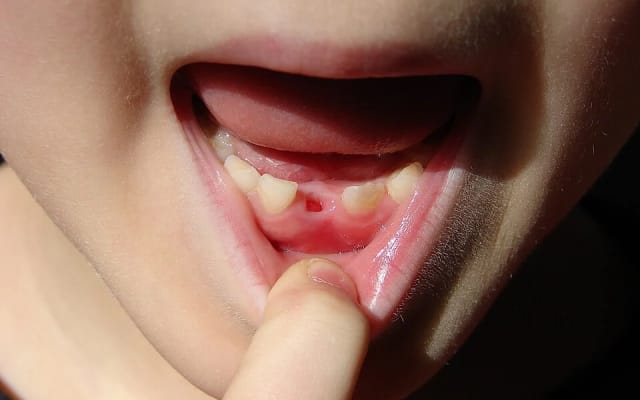
- The lower dental arch of a child during mixed dentition, “MixedDentition”. Author: Roquex. Original: Wikimedia Commons. License: CC0 1.0. Changes: reduced in size and saved as WebP.
- A panoramic X-ray of the jaws of a 9-year-old child, “Mixed dentition pan”. Author: Coronation Dental Specialty Group. Original: Wikimedia Commons. License: CC BY 3.0. Changes: reduced in size and saved as WebP.
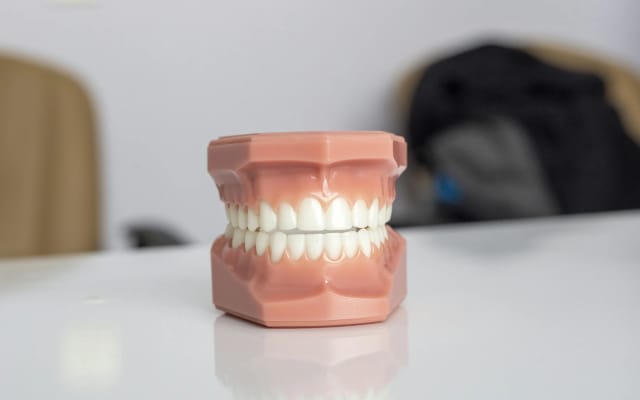
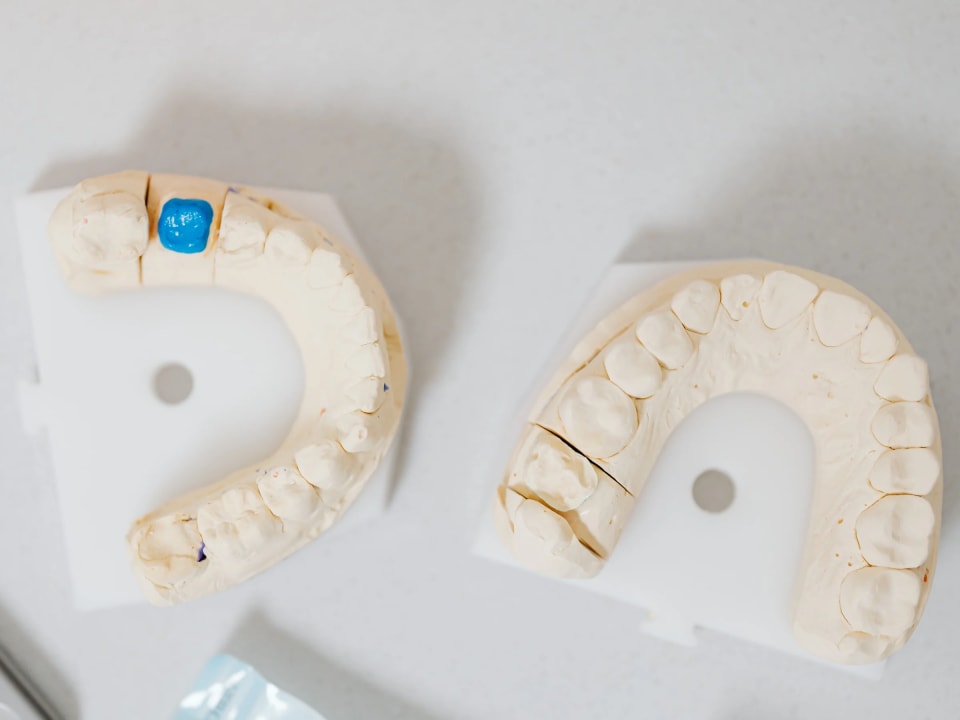
- Cover: plaster models of dental arches, “Dental Teeth Cast Models on Table”. Author: kaboompics. Original: Pexels. License: Pexels License. Changes: cropped to 4:3 and 16:10, saved as WebP.

Article author: Anastasiia Semenenko
orthodontist, experience 7 years
More about the doctor and bookingFAQ
What are the signs of a bad bite in a child?
At what age should I take my child to an orthodontist?
Can I determine my child’s bite myself?
Does a consultation mean my child needs treatment?
Can a bad bite in a child correct itself?
Does thumb or pacifier sucking affect the bite?
Can a 2-year-old have a bad bite?
This article is for information only and does not replace a consultation. See a dentist for diagnosis and treatment.